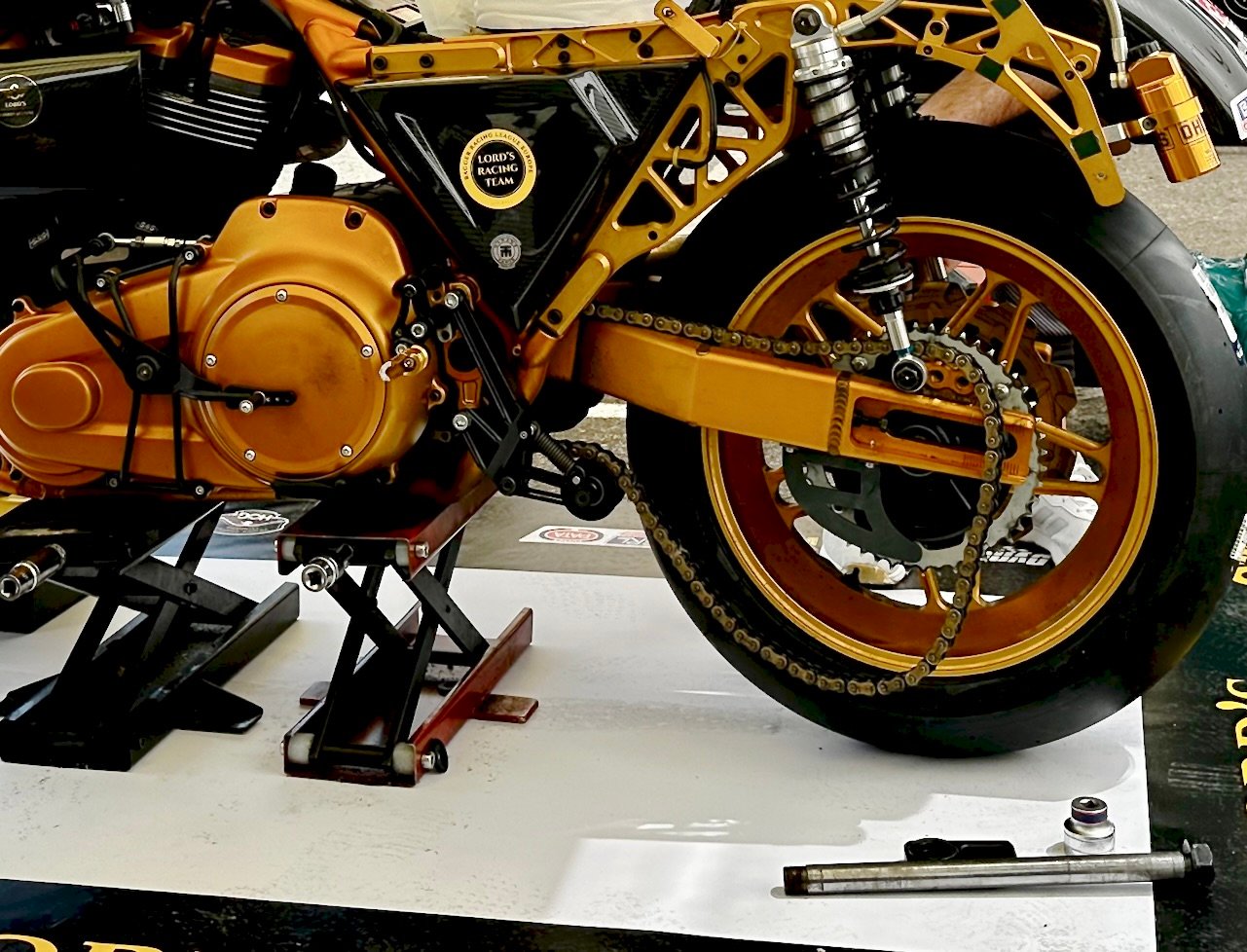
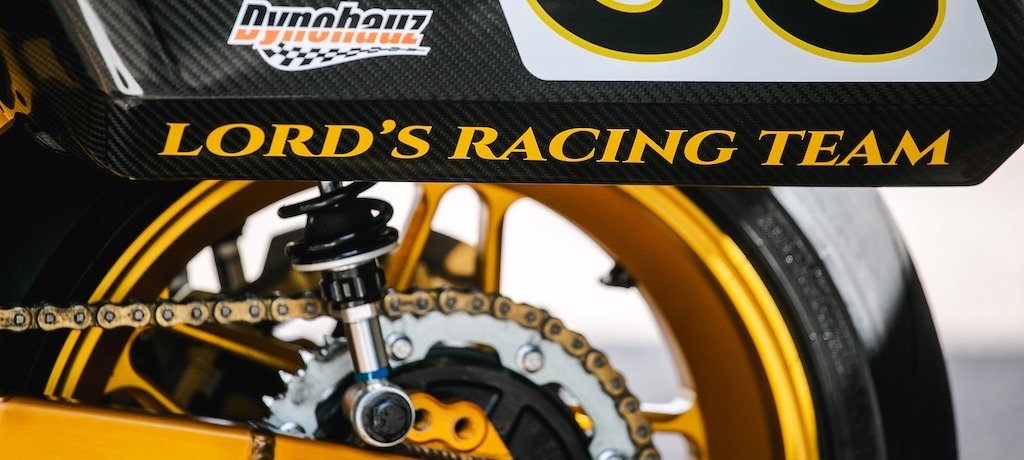
WHAT DO THOSE NUMBERS MEAN? 24T48T, 25T54T, ETC.
You’ve likely come across part codes like 24T48T, 22T54T, or 25T51T.
Here’s what they actually mean:
From these two values, we calculate the transmission ratio, which defines how the engine torque is transferred to the wheel and how that impacts speed, torque, acceleration, and gear efficiency.
HOW THE GEARING RATIO WORKS
The formula is simple:
A lower ratio = higher top speed, less torque
A higher ratio = more torque and acceleration, but lower top speed
COMPARISON TABLE – RATIO CALCULATIONS:
- 22T54T: 0.41
- 22T51T: 0.43
- 22T48T: 0.46
- 24T51T: 0.47
- 24T48T: 0.50
- 24T54T: 0.44
- 25T48T: 0.52
- 25T51T: 0.49
- 25T54T: 0.46
WHICH GEARING WORKS BEST DEPENDING ON THE TRACK?
✔️ Twisty circuits with many corners:
Choose a higher ratio like 25T48T (0.521) – better exit speed from corners, higher torque
✔️ High-speed tracks with long straights:
Choose a lower ratio like 22T54T (0.407) – maximize top-end speed, better RPM utilization
✔️ Balanced riding or daily use:
Choose a middle-ground like 24T51T (0.471) – offers good versatility for mixed conditions
A REAL-WORLD TEST: 24T48T vs 24T51T
I decided to dig into two setups: 24T48T and 24T51T.
To make things real, I used actual data from my own Performance Bagger build.
Using standard dynamics formulas, I calculated:
Results:
24T48T delivers quicker acceleration, better corner exits, but slightly lower top speed
24T51T allows higher top speed, better RPM spread on highways, but loses some traction in corners
Depending on the track layout (I tested against "Nemuno žiedas" and "Cremona Circuit"), the choice matters — and after testing, I personally went with 24T48T.
WHAT IF WE REDUCE WEIGHT?
Let’s not forget that performance isn’t just gearing – it’s power-to-weight ratio.
When your Harley drops from 385 kg to 320 kg, and you keep the 24T48T ratio — acceleration improves dramatically.
A lighter bike:
While the 24T48T may reduce your maximum top speed a little, it gets you there faster, especially when paired with a lightweight chassis.
BOTTOM LINE: MATH MATTERS, BUT SO DOES REALITY
Of course, math is helpful — but racing outcomes are never decided on paper.
Track surface, weather, rider skill, tire grip, and mechanical condition all play a role.
So here’s what I recommend:
Try both setups on your own machine, in your own conditions
Use apps or gear calculators tailored to Harley-Davidson models
Decide based on your riding style, not just data
Theoretical performance doesn’t always match real-life results.
But understanding how gear ratios change your ride will help you make smarter tuning decisions going forward.
At LORD’S Performance, we provide both 24T48T and 24T51T kits tailored for Performance Bagger builds, whether you're racing, riding hard, or tuning for the perfect setup.
Choose torque or speed — and we’ll help you build the rest.
LORD’S Performance Team
© All rights reserved

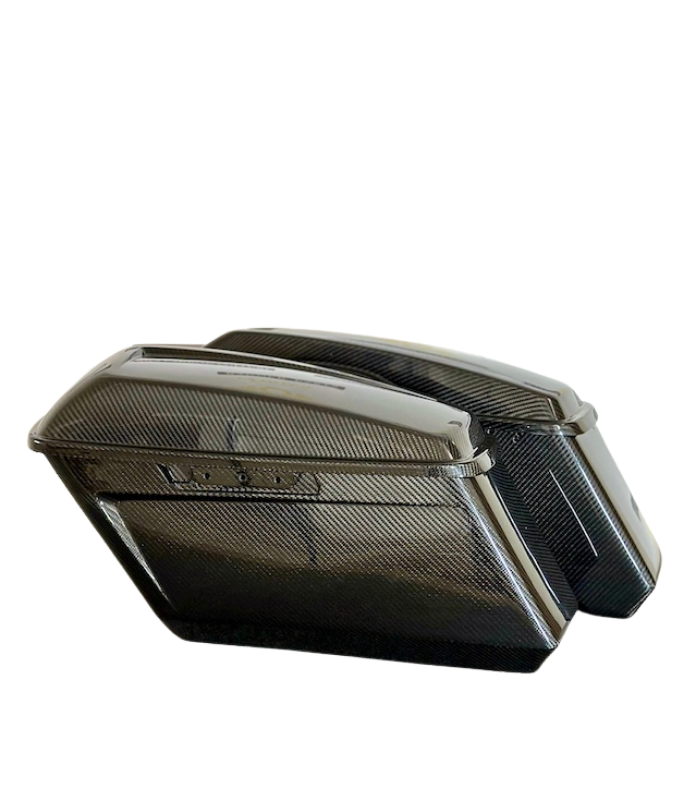
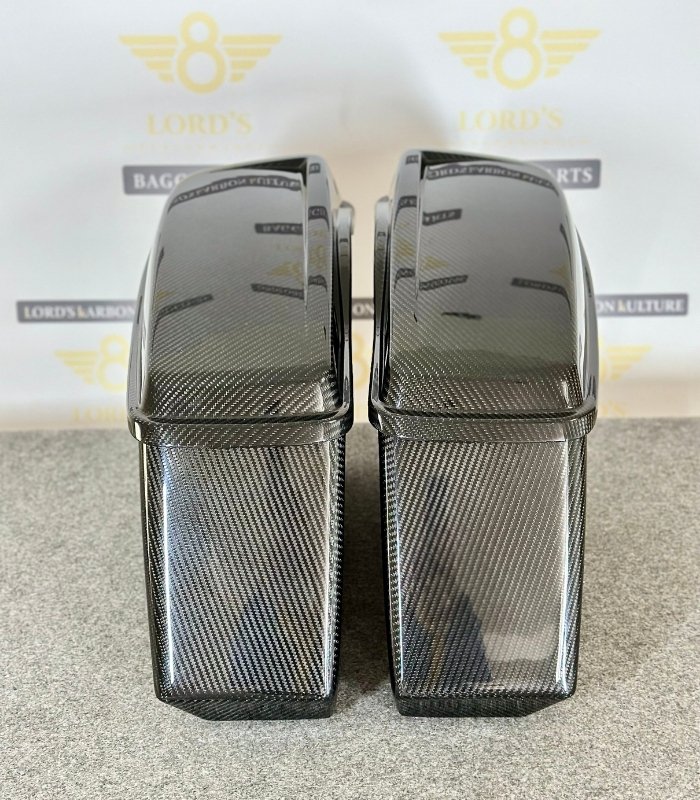
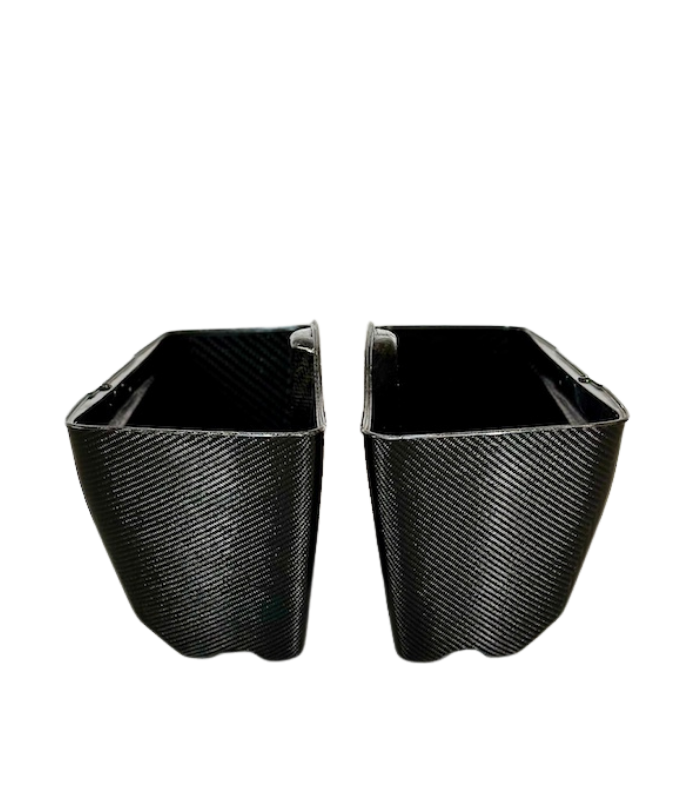
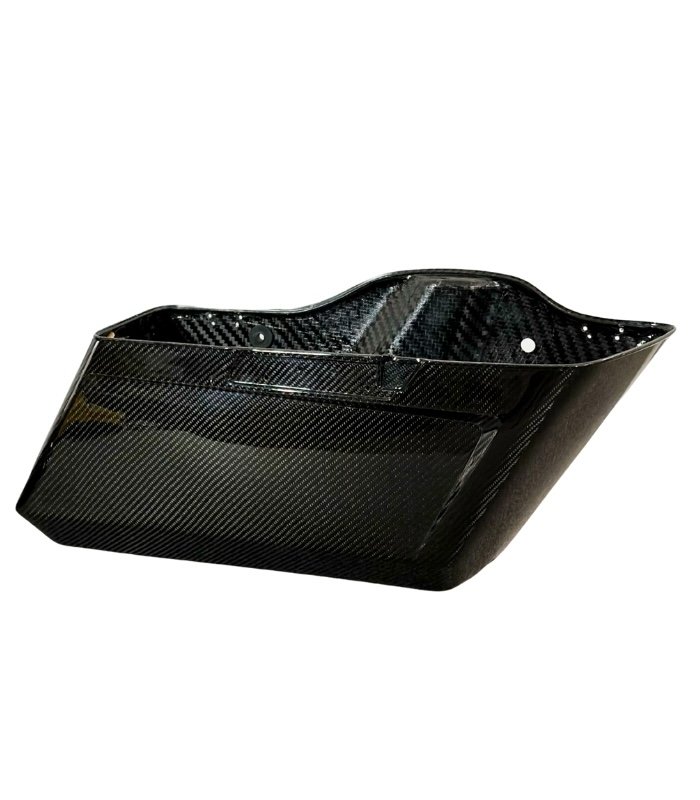
 HARLEY CARBON FIBER SADDLEBAGS SET
2,000.00 € – 2,400.00 €Price range: 2,000.00 € through 2,400.00 € All prices shown without VAT.
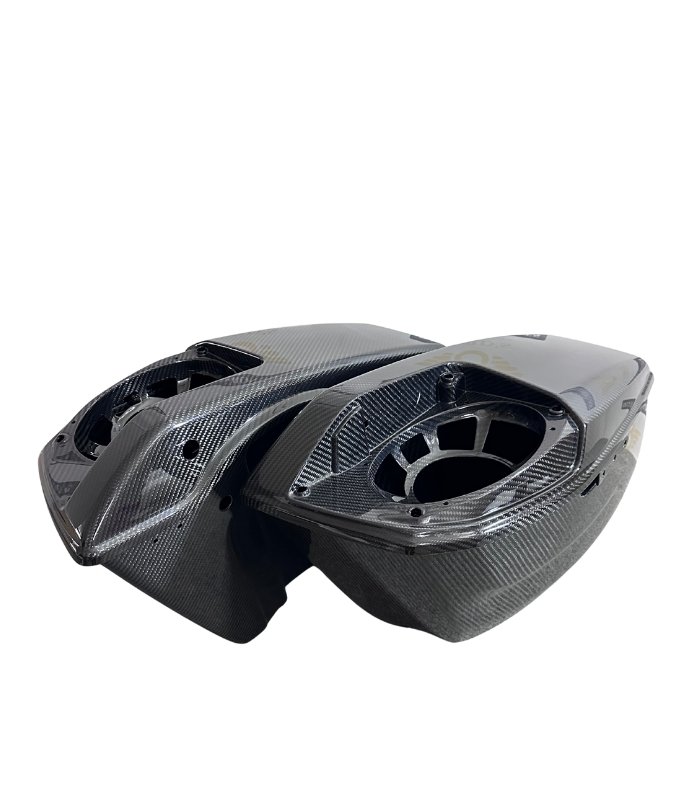
HARLEY CARBON FIBER SADDLEBAGS SET
2,000.00 € – 2,400.00 €Price range: 2,000.00 € through 2,400.00 € All prices shown without VAT.